
IDEE REGALO
Working Wooden Mechanical Models: How to Choose Them

May
Working Wooden Mechanical Models: How to Choose Them
Discover the charm of working wooden mechanical models. This practical guide, “Working Wooden Mechanical Models: How to Choose Them”, helps you navigate complexity, movement and build quality. Let’s get started.
The Fascinating World of Working Wooden Mechanical Models
What They Are and Why Everyone Is Falling for Them
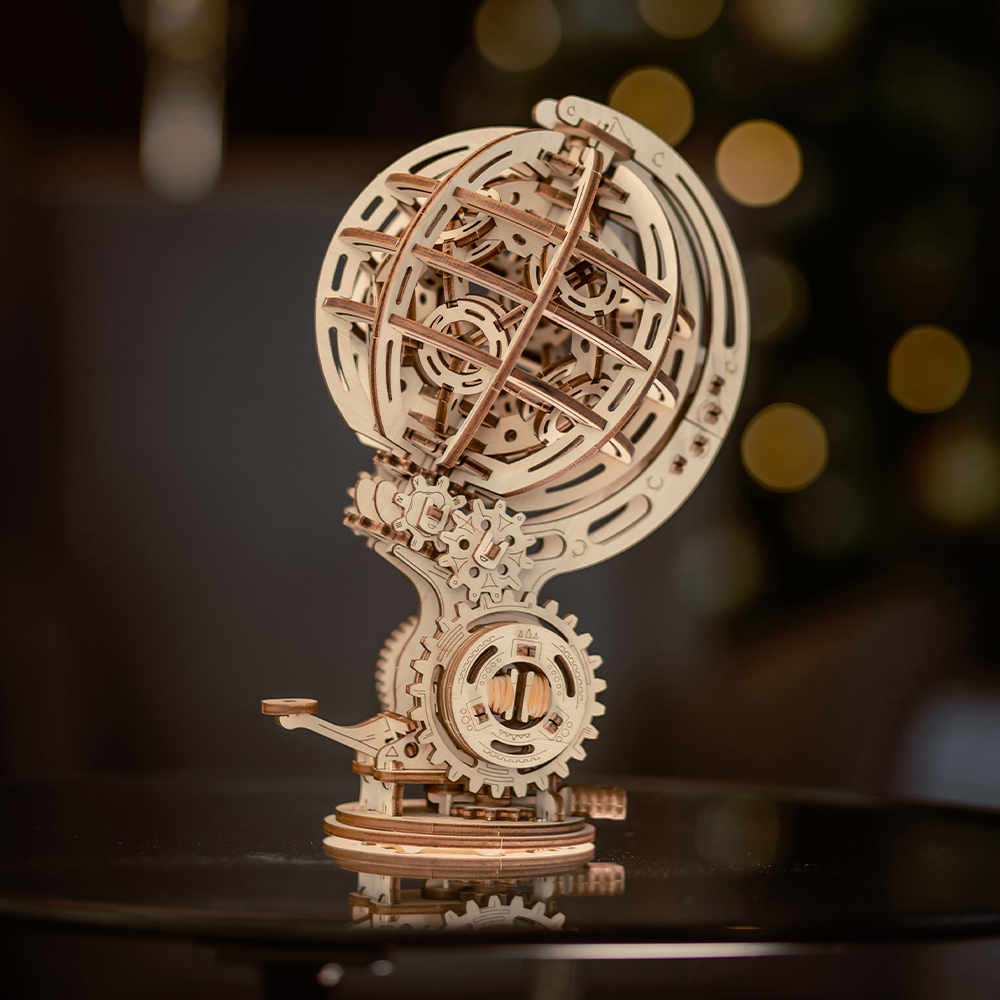
Wooden mechanical models are kits that, once assembled, come to life thanks to an ingenious mechanical operation. They are not ornaments, but miniature machines such as automata or wooden mechanical clocks, that move without electricity. This mechanical modelling combines art, engineering and craftsmanship, offering a unique sense of satisfaction. Their popularity has surged with the desire to unplug from screens and create a tangible object. They are perfect wooden tech gifts for enthusiasts of every recommended age.
The Unique Benefits of Building With Your Own Hands
Assembling these wooden mechanical toys is more than a hobby. It is a meditative experience that trains concentration, patience and problem-solving. Every gear that clicks into place is a small victory. The educational value is immense: you visually understand the physics of mechanical motion. You develop a deep appreciation for precision and engineering. The result? A unique object you can be proud of.
Key Factors for an Informed Choice

Difficulty and Complexity Level: From Beginner to Expert
The choice of model starts with an honest self-assessment. The assembly difficulty and model complexity vary greatly. A kit that is too advanced frustrates a beginner. One that is too simple bores an expert. Choosing well is essential for enjoyment.
Simple Models: Perfect for Getting Started
To get started, they are ideal models for children or adult beginners, with few parts and a linear mechanism. These educational models teach the basic concepts of wooden gears without stress. They are great for a relaxing project or for models for children under supervision.
Intermediate and Advanced Kits: The Challenge Grows
This is where models for adults with hundreds of components and complex mechanisms, such as gear changes or wooden pendulum clocks. The challenge is both intellectual and manual, requiring many hours of work. Kits such as certain complex automaton models deliver enormous satisfaction on completion.
Material Quality and Laser-Cutting Precision
The success of the model depends on wood and cutting precision. Quality materials, such as beech or birch plywood, are sturdy and do not splinter. Precise laser cutting ensures every piece fits perfectly. Reading the product reviews is essential for evaluating a brand. Imprecise cuts can ruin the experience.
Features and Type of Movement (e.g. clocks, vehicles, music boxes)
What fascinates you most? The mechanical operation comes in many forms. There are hand-wound vehicles, wooden mechanical clocks working music boxes or automaton models with animated figures. The choice depends on your interests. A watchmaking enthusiast will love building a clock. Those who prefer action will opt for a locomotive. Also consider the space you have and whether you prefer a hand-wound mechanism or spring-driven one.
Brands, Where to Buy and Budget Considerations
The Best Wooden Model Brands on the Market (and What Sets Them Apart)
Among the mechanical model brands renowned stands out Ugears, known for robust designs and visible mechanisms. Robotime (Rolife line) offers a wide range, from simple models to complex miniature villas. Wood Trick stands out for its high-quality wood and creative designs, often inspired by historical machines. Each brand has its own philosophy: studying them helps in choice of model right.
Where to Buy: Specialised Online Shops and Physical Stores
Where to buy these kits? Online marketplaces such as Amazon offer a wide choice and product reviews. Specialised online shops in mechanical modelling, however, often provide more expert advice. In some cities there are physical stores, such as those selling educational toys or model-making supplies. There you can assess size and quality in person.
Value for Money: How Much to Spend on a Good Kit
The mechanical model price varies with complexity, size and brand. Basic kits start at 20-30€, while monumental models can exceed 200€. The best value for money? Often in the 40-80€ range, where you find kits with quality materials and interesting mechanisms. Investing in a reliable brand guarantees clear assembly instructions and well-cut pieces.
Tips for Assembling and Maintaining Your Model
Preparation, Necessary Tools and Ideal Workspace
Prepare a flat, well-lit workspace free from draughts. The essential tools are quick-drying wood glue, tweezers, files and a cutting mat. Organise the component sheets in order and keep the instructions within reach. A tidy environment prevents the loss of small parts that are essential to the mechanical motion.
The Step-by-Step Guide: The Importance of Following the Instructions
Never underestimate the clear assembly instructions. Read them carefully before starting and follow every step to the letter, especially with wooden gears or springs. In complex models, an early mistake can compromise the entire mechanical operation. Take your time and enjoy the process. If a step is unclear, look for a specific video tutorial.
Care and Maintenance for Long Life and Functionality
Your working wooden mechanical model requires little care. Keep it away from humidity and direct sunlight, which could warp the wood. To clean it, use a dry, soft cloth. For models with hand-wound mechanism, operate the mechanism gently. Periodically, apply a minimal amount of dry lubricant to the gears. With proper model maintenance, it will last for years.
Useful reading:
Also read:
| Glue-Free Wooden 3D Puzzle |
| Original Wooden Gifts for Adults |
| Puzzles to Build for Children Aged 7 |
❓ Frequently Asked Questions
What are working wooden mechanical models?
Working wooden mechanical models are kits to assemble which, once built, turn into miniature machines. They operate through gears and mechanisms without the need for electricity, offering a hands-on experience of engineering and craftsmanship.
What are the benefits of building working wooden mechanical models?
Building these models trains concentration, patience and problem-solving in a meditative way. They offer great educational value, allowing you to visually understand the principles of mechanical motion and to create a unique object you can be proud of.
How do you choose the right difficulty level for a wooden mechanical model?
The choice starts with an honest self-assessment of your abilities. For beginners, models with few parts and linear mechanisms are ideal, while experts can tackle kits with hundreds of components and complex mechanisms such as pendulum clocks.
Are working wooden mechanical models suitable for children?
Yes, there are models for children designed with reduced assembly difficulty and under supervision. These educational kits teach the basic concepts of wooden gears and are a great way to introduce younger people to mechanical modelling.
Why are working wooden mechanical models considered unique technological gifts?
They are unique technological gifts because they combine art, engineering and craftsmanship in a tangible, working object. They offer a rewarding building experience and an authentic way to take a break from digital screens.
💡 How to Choose Working Wooden Mechanical Models
7 Steps
- Assess your experience level
Start with an honest self-assessment of your manual skills and patience. Beginners should opt for models with few parts and linear mechanisms, while experts can tackle kits with hundreds of components and complex movements. Choosing a model suited to your level is essential to avoid frustration or boredom. - Consider age and purpose
If the model is a gift or for a shared project, take into account the recommended age and educational value. For children or novices, choose educational models that teach the basic concepts of gears. For adults seeking an intellectual challenge, aim for complex models such as automata or mechanical clocks. - Analyse complexity and movement
Review the kit description to understand the complexity of the model and the type of mechanical motion it will produce. Simple mechanisms are ideal for getting started, while articulated or multiple movements, such as those of a pendulum clock, indicate a higher level of difficulty and require more time and precision. - Check the quality of materials and instructions
Make sure the kit is made of good-quality, sturdy and precise wood, to ensure smooth operation. Also check that the assembly instructions are clear, ideally illustrated, to guide you step by step without ambiguity during assembly. - Define the time and commitment required
Estimate the number of hours needed for assembly based on the complexity of the kit. A simple model may take only a few hours, ideal for an evening project, while an advanced one may keep you busy for dozens of hours. Choose based on the time you want to dedicate to this meditative experience. - Choose based on personal interest
Choose a model that matches your interests, such as automatons, vehicles, or wooden mechanical clocks. Passion for the subject boosts motivation and enjoyment during assembly, turning the process into an even more rewarding and personal experience. - Read Reviews and Advice
Before buying, check reviews from other enthusiasts to assess the actual difficulty, product quality, and overall satisfaction. Feedback can reveal practical details not obvious from the description, helping you make a more informed choice that suits you.